Today I want to share how AI wall decal design led me into a dispute with the company behind Jeep. I wanted to expand our range, but ended up with a warning on Etsy and no answers to my emails. This story still has no happy ending.
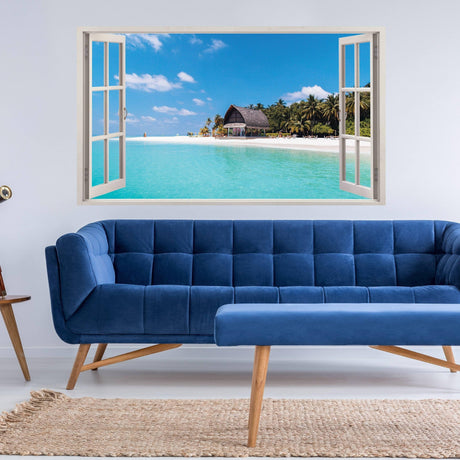
We sell wall decals, and designs that look like a hole in the wall are popular with our customers in the USA. The image creates the illusion that something is driving out of the wall or looking through it. We asked ChatGPT for ideas for a new range, and I liked the suggestion of an SUV. Midjourney helped us create several pictures of a vehicle driving out of a forest at night and into a room.
We chose a couple of images and checked for logos, other brands' markings and recognisable references to films or car brands. We did not notice anything suspicious at the time, so we listed the decals on Etsy. Soon afterwards, an intellectual property infringement notice arrived. It named FCA US LLC, the company that holds rights to the Jeep brand, as the complainant.
I opened the listing and could not understand the problem. It showed an AI illustration of an SUV, not a photograph of a real Jeep Wrangler. I checked the registration details cited in the complaint and found an image of a grille with seven vertical slots. As I understood it, the registration covered vehicles and car parts.
I enlarged our image and counted nine slots, which looked oval rather than rectangular. To me, those were important differences, and a wall decal belonged to a different product category. But a different slot count or product category does not, by itself, establish that no trademark rights have been infringed. Etsy removed the listing and directed me to the complainant without deciding the underlying dispute.
I wrote a polite email to the representatives of the rights holder. I explained that we respected their rights, described the grille differences and pointed out that we sold wall decor. My email tracker reported an opening, but I received no reply. A week later I sent a second email, then a third offering to drop the design and sign a commitment never to sell it again if the complaint was withdrawn. Again, I received no answer.
I then hired American lawyers who handle cases like this. They prepared and sent a formal letter, but they also received no reply. In their assessment, the next step would be court, with costs potentially running into tens of thousands of dollars. I do not have that kind of money for this dispute.
The warning remains on the account, and I worry about the reputation and future of our shop. It left me feeling that my small business simply did not exist to a large company. I wanted at least a response and a chance to find out whether we could reach an agreement. Instead, I was left with a complaint I have not been able to get withdrawn.
I still do not know what to do next. I am now even more careful with AI images, because a newly generated image can contain details resembling someone else's protected design. An image looking unique to me does not guarantee that nobody will challenge it. If I notice a resemblance to a brand, trademark or familiar film scene, I leave that version behind and try a completely different direction.